
1. Call for emergency medical help immediately if available.
2. Lay the person down. Elevate the site of bleeding if possible.
3. Apply firm, direct pressure to the wound using a clean cloth, bandage, or your hands. Maintain pressure continuously.
4. If bleeding seeps through the material, do not remove it. Add more layers on top and continue pressure.
5. If an object is embedded in the wound, do not remove it. Apply pressure around the object.
6. Use a tourniquet only as a last resort if bleeding is life-threatening and cannot be controlled by direct pressure. Ensure you know how to apply it correctly.

For minor burns (first-degree, small second-degree):
1. Cool the burn: Hold under cool (not cold) running water for 10-15 minutes or apply a cool, wet compress.
2. Protect the burn: Cover with a sterile non-adhesive bandage or clean cloth.
3. Prevent infection: Do not apply ointments, butter, or ice directly to the burn. Do not break blisters.
For major burns (large second-degree, any third-degree):
1. Call for emergency medical help immediately.
2. Do not remove burnt clothing stuck to the skin.
3. Cover the burn area with a clean, dry sheet or dressing.
4. Do not immerse large severe burns in cold water, as this can cause hypothermia.
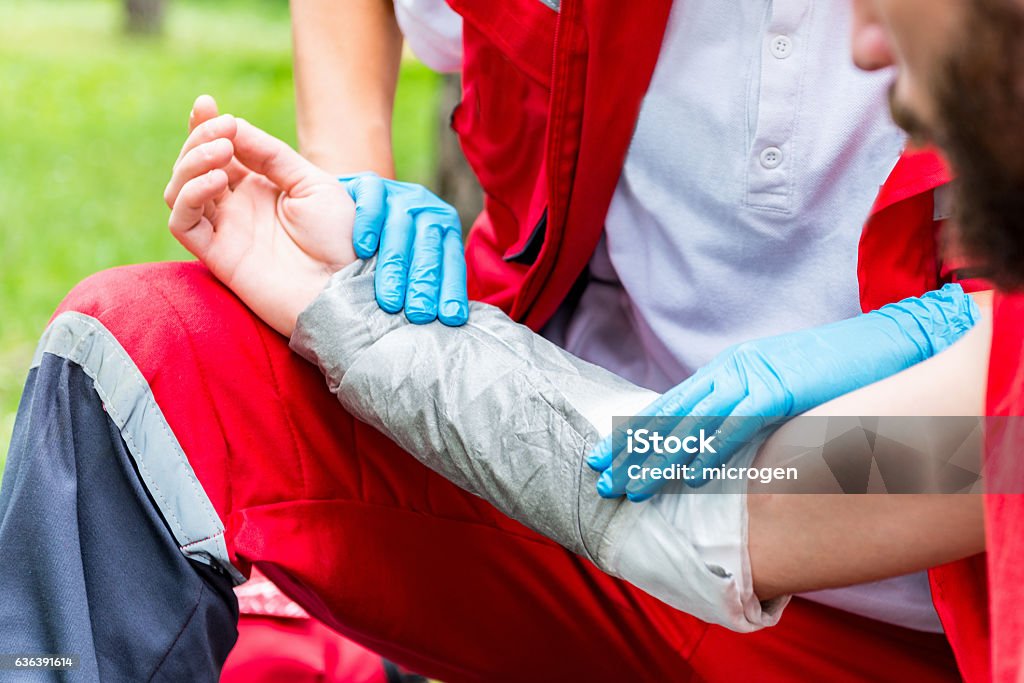
CPR is a life-saving technique for when someone's breathing or heartbeat has stopped. Proper training is essential.
Basic steps for adult CPR (Hands-Only CPR is recommended for untrained bystanders):
1. Check for responsiveness and breathing. If none, call for help.
2. Push hard and fast in the center of the chest: Place one hand on top of the other in the center of the chest. Use your body weight to help you administer compressions at least 2 inches deep and at a rate of 100 to 120 compressions per minute.
3. Continue compressions until medical help arrives or the person starts to breathe.

The information provided in LifeNet Survivalist is for guidance only and not a substitute for professional training or real-time expert advice. Survival situations are inherently dangerous. Always prioritize your safety and make decisions based on your specific environment and capabilities. Use this information at your own risk.